

You can tell within the first ten minutes of an event whether the planning team understood the assignment. Not the logistics — anyone can rent a ballroom and order centerpieces. The assignment is the feeling. The emotional current that runs underneath every design decision, every room layout, every moment of transition from arrival to departure.
Synchronicity Events understands the assignment. And sitting down with their team for Elite Insights, I got to hear them articulate something I’ve felt every time we’ve collaborated: great event design isn’t about aesthetics. It’s about belonging.
Events Are Emotional Infrastructure
Alex Martin and the Synchronicity team talked about their approach to event design in a way that resonated with everything EC believes about production. They don’t start with themes or color palettes. They start with a question: how do we want people to feel when they walk through the door?
That question changes everything. When you design from feeling first, every decision becomes intentional. The lighting isn’t just pretty — it’s calibrated to create warmth. The seating isn’t just functional — it’s arranged to encourage connection. The flow of the evening isn’t just a timeline — it’s an emotional arc.
Most event planners design for Instagram. Synchronicity designs for memory. And the difference between the two is the difference between an event people photograph and an event people never forget.
The Partnership Between Planner and Producer
One of the richest parts of our conversation was about the relationship between event planners and production teams — specifically, how Synchronicity and EC have learned to work together. They talked about the trust that develops when both sides understand each other’s craft. The planner knows the vision. The producer knows the execution. And the magic happens when neither side tries to do the other’s job.
What Synchronicity described is what EC calls invisible collaboration — the kind of partnership where the audience never sees the seams. They don’t know who chose the lighting and who managed the AV. They don’t know who designed the room flow and who built the stage. All they know is that the evening felt seamless.
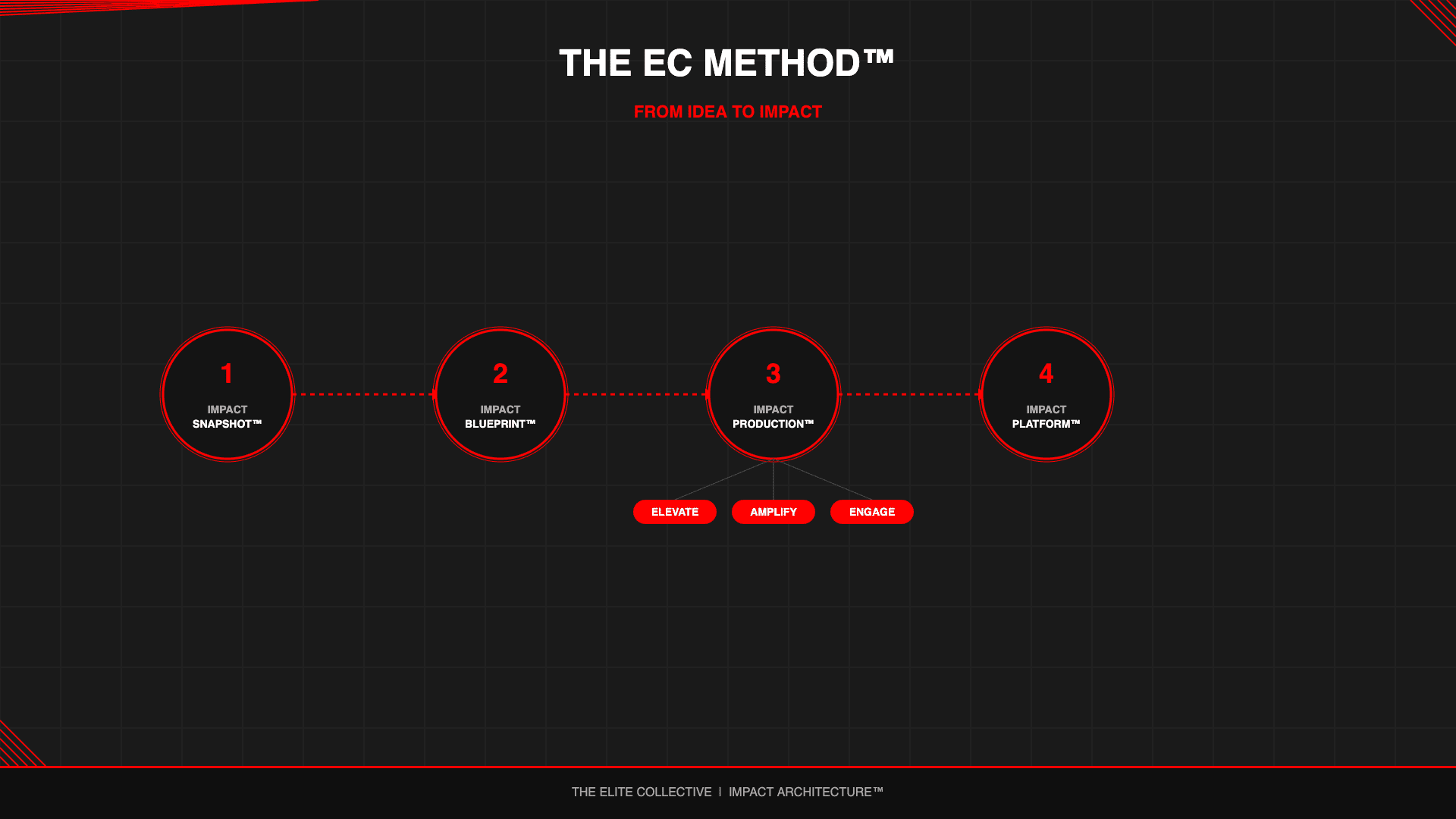
That’s Impact Architecture™ at work — multiple systems working in concert, invisible to the audience, powerful in their effect.
Making People Feel Like They Belong
Here’s the insight that stuck with me most: Synchronicity designs events that feel like home. Not home in the literal sense — but home in the emotional sense. The feeling of being expected. Of walking into a space and knowing immediately that it was prepared with you in mind.
That’s an incredibly difficult thing to design. It requires understanding not just the client’s brand but the community the event serves. It requires cultural fluency — knowing what makes a specific group of people feel welcomed, respected, and valued. It requires the kind of attention to detail that goes far beyond logistics.
When EC produces events for organizations like NAAM or Byrd Barr Place, we’re designing for that same feeling. The community members who attend those events aren’t just guests. They’re the reason the event exists. And every design decision should communicate that.
What EC Takes From Synchronicity
Working with Synchronicity Events has made EC better. Full stop. Their commitment to emotional design has pushed our production team to think beyond technical execution and into the territory of felt experience. When we show up to a Synchronicity event, we know the standard. And that standard elevates our work.
That’s the power of great partnerships — they raise the floor for everyone involved.
The Invitation
If your events look good but don’t feel like anything — if people attend but don’t remember — the architecture needs attention. Great events aren’t planned. They’re designed. And design starts with the question Synchronicity asks first: how should people feel?
The Impact Snapshot™ is fifteen minutes. It shows you where your event strategy is creating moments and where it’s missing them. No pitch. Just clarity.
Your events should feel like home. Let’s design that feeling together.
Carlos Imani is the Executive Producer and Principal of The Elite Collective, Seattle’s leading Impact Architecture™ firm. He hosts Elite Insights, a podcast about community, craft, and the architecture of meaningful work.